Releases·Hardware Release
Nvidia RTX Spark 'Superchip': Lenovo Yoga 9n Hands-On and RTX Spark Mini PCs at IFA 2026
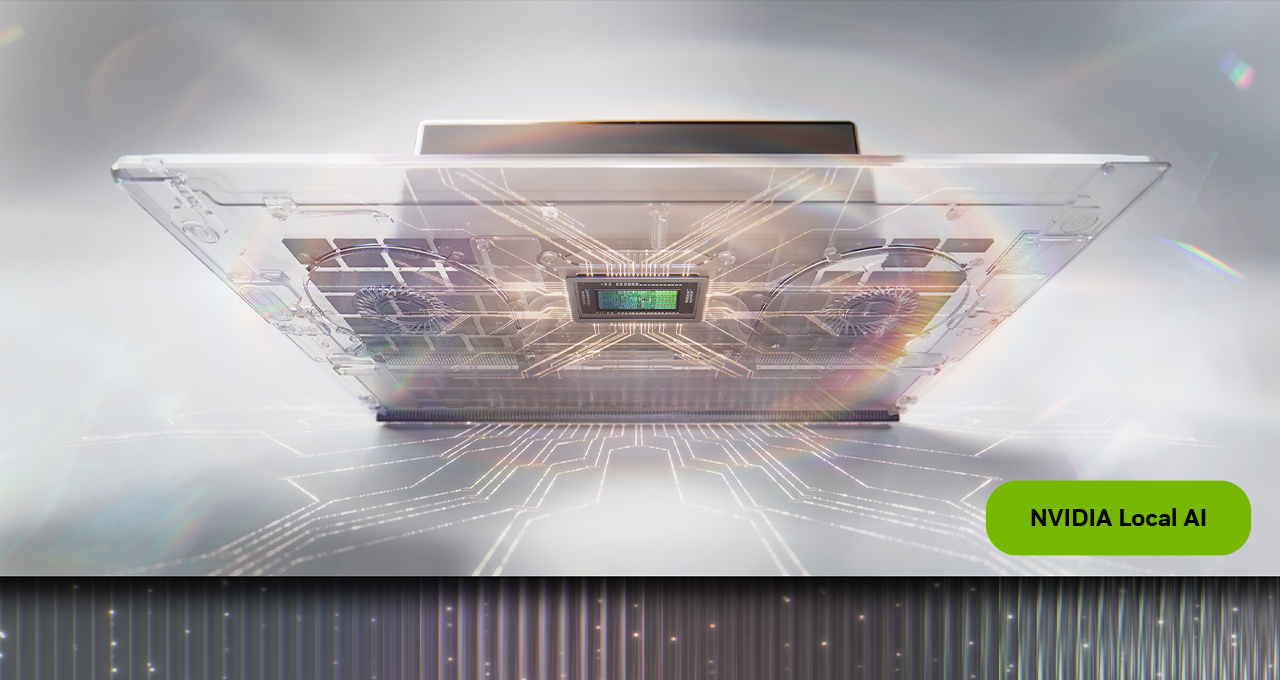
At IFA 2026 in Berlin, reporters got a first hands-on look at a laptop built on Nvidia's RTX Spark 'superchip', alongside announcements of RTX Spark-powered mini desktop PCs. Nvidia unveiled the chip and planned laptops roughly three months earlier. The machines target rising demand for running agentic AI workflows like OpenClaw locally on a PC.
0 engagement2 sourcesThu, Sep 3, 2026, 01:00 PM
AI Overview
- Nvidia's Arm-based RTX Spark superchip combines a Grace CPU with up to 20 cores and a Blackwell RTX GPU with up to 6,144 cores in a single SoC.
- Lenovo's 16-inch Yoga 9n 2-in-1 runs RTX Spark in a 0.69-inch-thick chassis with a 2880x1800 120-Hz OLED display; a 15-inch Yoga Pro 9n offers up to 128 GB RAM.
- Dell XPS 16, Asus ProArt P16, Microsoft Surface Laptop Ultra, and HP OmniBook X 14 round out RTX Spark laptops coming this fall.
- Acer's SFF RTX Spark and Asus' ProArt Mini PC desktops claim a petaflop of AI performance and up to 128 GB of memory at Mac Mini size.
- Lenovo's AMD-based ThinkCentre X Ultra uses a Ryzen Max+ Pro 495 with 128 GB RAM, starting at $3,699.
Related
News·Company News
AMD announces Helios rack-scale system and new chips to compete with Nvidia
At its Advancing AI conference in San Francisco, AMD CEO Lisa Su unveiled the Helios rack-scale system and new chips aimed at powering large AI labs, with Microsoft as a customer. The system is set to ship later this year, directly challenging Nvidia's dominance in AI data center hardware.
At its Advancing AI conference in San Francisco, AMD CEO Lisa Su unveiled the Helios rack-scale system and new chips aimed at powering large AI labs, with Microsoft as a customer. The system is set to ship later this year, directly challenging Nvidia's dominance in AI data center hardware.
Updated Thu, Jul 23, 2026, 08:33 PM — AMD announces Helios rack-scale system and new chips, with Microsoft as customer, shipping later this year.
0 engagement2 sourcesrssThu, Jul 23, 2026, 12:00 AM
Releases·Hardware Release
Orange Pi launches AI Station mini PC with 176 TOPS NPU
Orange Pi announced the AI Station, an AI mini PC featuring a 176 TOPS NPU with 10 AI cores, 16 CPU cores, and 8 vector cores. The device offers 48GB or 96GB LPDDR4X memory, targeting edge AI applications.
Orange Pi announced the AI Station, an AI mini PC featuring a 176 TOPS NPU with 10 AI cores, 16 CPU cores, and 8 vector cores. The device offers 48GB or 96GB LPDDR4X memory, targeting edge AI applications.
1 engagement1 sourceredditThu, Aug 13, 2026, 10:55 PM
Social·Community
Users compare RTX Pro 6000 vs M5 Max MBP 128GB for local AI
A Reddit user asks for hard numbers comparing the RTX Pro 6000 Blackwell card against the M5 Max MacBook Pro 128GB for non-coding local AI workloads, noting their server predates recent RTX 6000 price hikes. The thread seeks direct experience with models or workflows beyond agentic coding.
A Reddit user asks for hard numbers comparing the RTX Pro 6000 Blackwell card against the M5 Max MacBook Pro 128GB for non-coding local AI workloads, noting their server predates recent RTX 6000 price hikes. The thread seeks direct experience with models or workflows beyond agentic coding.
35 engagement1 sourceredditWed, Aug 19, 2026, 05:01 PM
Social·Community
Developers weigh 64–128GB unified memory vs CUDA for €6k AI laptop
A developer asks whether a €6k portable AI/development setup should prioritize 64–128GB unified memory (M5 Pro/Max MacBook Pro) or CUDA compatibility (high-end NVIDIA laptop). The trade-off centers on local inference and ML experiments versus GPU memory, heat, noise, and battery life.
A developer asks whether a €6k portable AI/development setup should prioritize 64–128GB unified memory (M5 Pro/Max MacBook Pro) or CUDA compatibility (high-end NVIDIA laptop). The trade-off centers on local inference and ML experiments versus GPU memory, heat, noise, and battery life.
12 engagement1 sourceredditTue, Aug 25, 2026, 11:59 AM