Releases·Agent Release
NVIDIA Agent Toolkit Expands, Grounding Enterprise Agents in Company Data
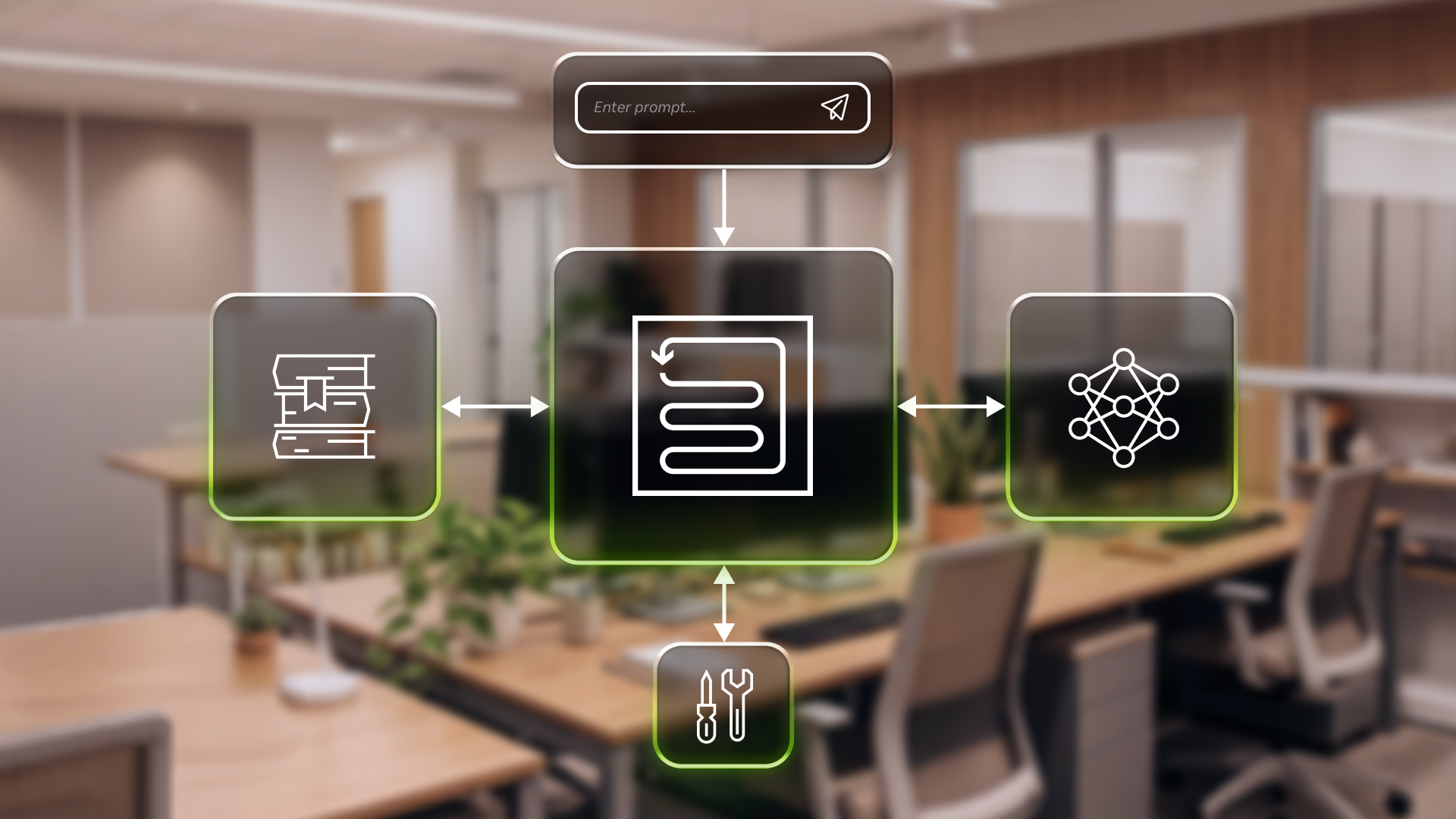
NVIDIA announced an expanded open-source Agent Toolkit centered on the new Agent Knowledge Foundation, which lets enterprises ground agents in proprietary company data without moving it or changing governance. The stack includes a secure runtime (OpenShell), reference blueprints (NemoClaw), and Nemotron Retriever and Kumo open models. Adopters include Palantir, Databricks, Snowflake, SAP, ServiceNow, and Zoom.
0 engagement1 sourceWed, Oct 21, 2026, 10:10 AM
AI Overview
- NVIDIA launches Agent Knowledge Foundation with CUDA-X libraries and new Auto-Ontology library, plus Kumo Tabular, Relational, Time Series and Forecast open models.
- Adopters include Palantir via Foundry, Databricks pairing Kumo Anomaly with Genie Ontology, and Snowflake offering Kumo Engine in Notebooks.
- SAP's fine-tuned Nemotron reranker ran nearly 3x faster; ServiceNow cut reranking latency by nearly a quarter; Zoom uses Nemotron Retriever for AI Services.
- OpenShell provides the secure runtime boundary; a new NemoClaw blueprint offers step-by-step agent optimization guidance.
- AWS, ClickHouse, Cloudera, Elastic, IBM, Oracle, Perplexity, Starburst and VAST Data are also building on Agent Knowledge Foundation.
Entities
Related
Releases·Tool Release
NVIDIA launches Agent Toolkit with OpenShell runtime and AI-Q Blueprint
NVIDIA announced the Agent Toolkit, including the OpenShell open-source runtime for building self-evolving agents with improved safety and security. The toolkit also features the AI-Q Blueprint for agentic search, built with LangChain, which tops DeepResearch Bench accuracy leaderboards and can cut query costs in half.
NVIDIA announced the Agent Toolkit, including the OpenShell open-source runtime for building self-evolving agents with improved safety and security. The toolkit also features the AI-Q Blueprint for agentic search, built with LangChain, which tops DeepResearch Bench accuracy leaderboards and can cut query costs in half.
0 engagement1 sourcenvidianews.nvidia.comThu, Aug 6, 2026, 10:50 AM
Products·launchedfeatured
Froglet: open-source protocol for agent-to-agent compute with signed receipts
Froglet is an open-source protocol and node that enables agents to publish, discover, and invoke services across hosts, producing signed receipts for every transaction. It reduces named services, data-backed services, and open-ended compute to a single signed flow (Descriptor → Offer → Quote → Deal → Receipt), and exposes the same surface through MCP and OpenClaw/NemoClaw as one tool. The protocol solves the problem of auditability and trust in agent-to-agent commerce, ensuring that agents have cryptographic proof of what happened.
Froglet is an open-source protocol and node that enables agents to publish, discover, and invoke services across hosts, producing signed receipts for every transaction. It reduces named services, data-backed services, and open-ended compute to a single signed flow (Descriptor → Offer → Quote → Deal → Receipt), and exposes the same surface through MCP and OpenClaw/NemoClaw as one tool. The protocol solves the problem of auditability and trust in agent-to-agent commerce, ensuring that agents have cryptographic proof of what happened.
39 engagement1 sourceyoutubeSat, Jul 18, 2026, 01:45 PM
News·Company News
AI Security Is an Engineering Problem — How to Solve It at Every Layer of the Agent Stack
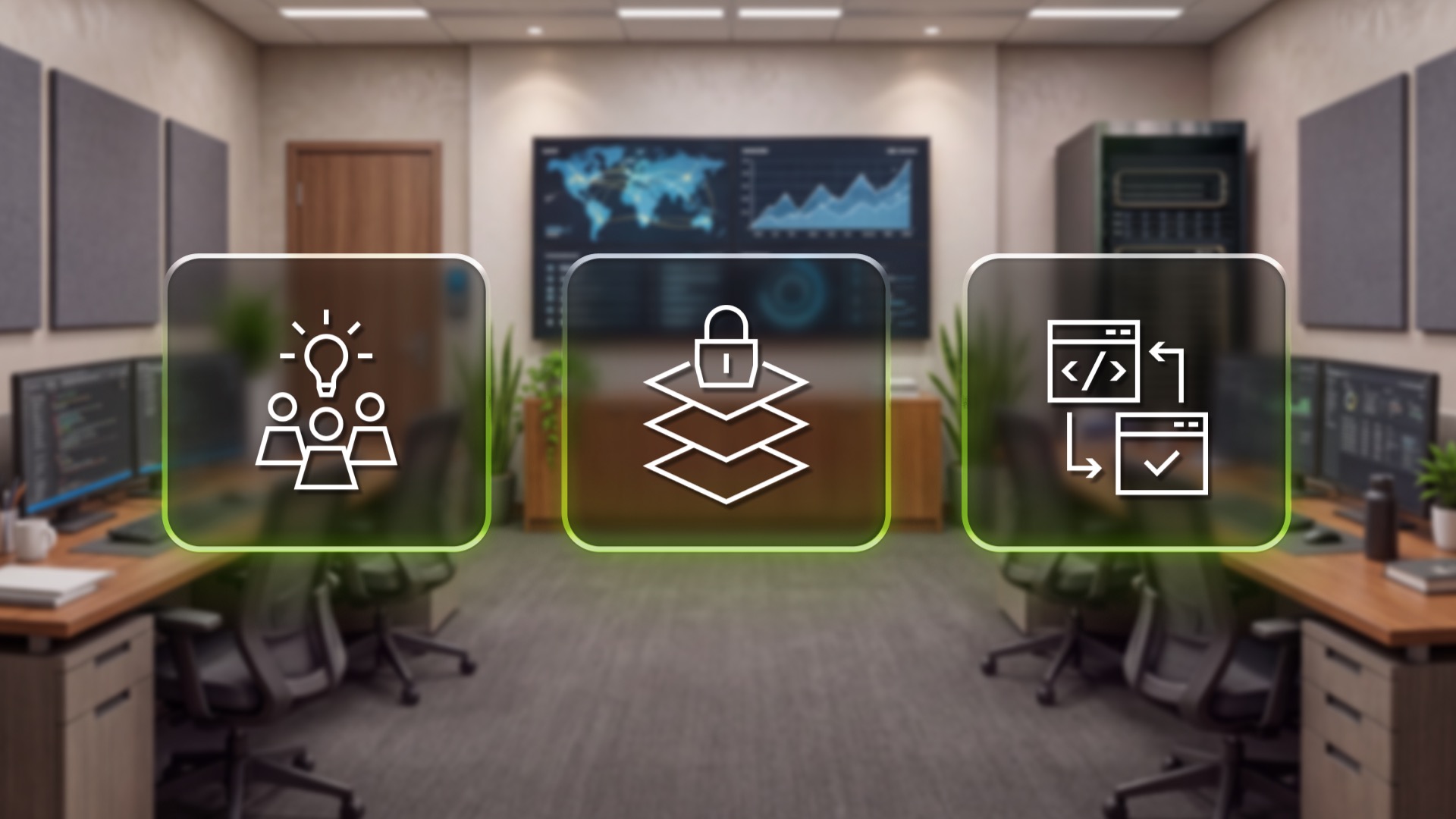
An NVIDIA developer blog argues AI security is an engineering problem requiring defined requirements, enforceable controls, named owners, and evidence controls work. It maps security responsibilities across the agent stack — models, harnesses, runtime environments — and highlights ecosystem tools enforcing boundaries outside the agent's reach. The piece matters to practitioners deploying agents who must restrict access, log actions, and require human approval for consequential actions.
An NVIDIA developer blog argues AI security is an engineering problem requiring defined requirements, enforceable controls, named owners, and evidence controls work. It maps security responsibilities across the agent stack — models, harnesses, runtime environments — and highlights ecosystem tools enforcing boundaries outside the agent's reach. The piece matters to practitioners deploying agents who must restrict access, log actions, and require human approval for consequential actions.
0 engagement1 sourcerssMon, Sep 21, 2026, 02:51 PM
News·Company News
NVIDIA launches Nemotron Labs blog series on open models for enterprise AI
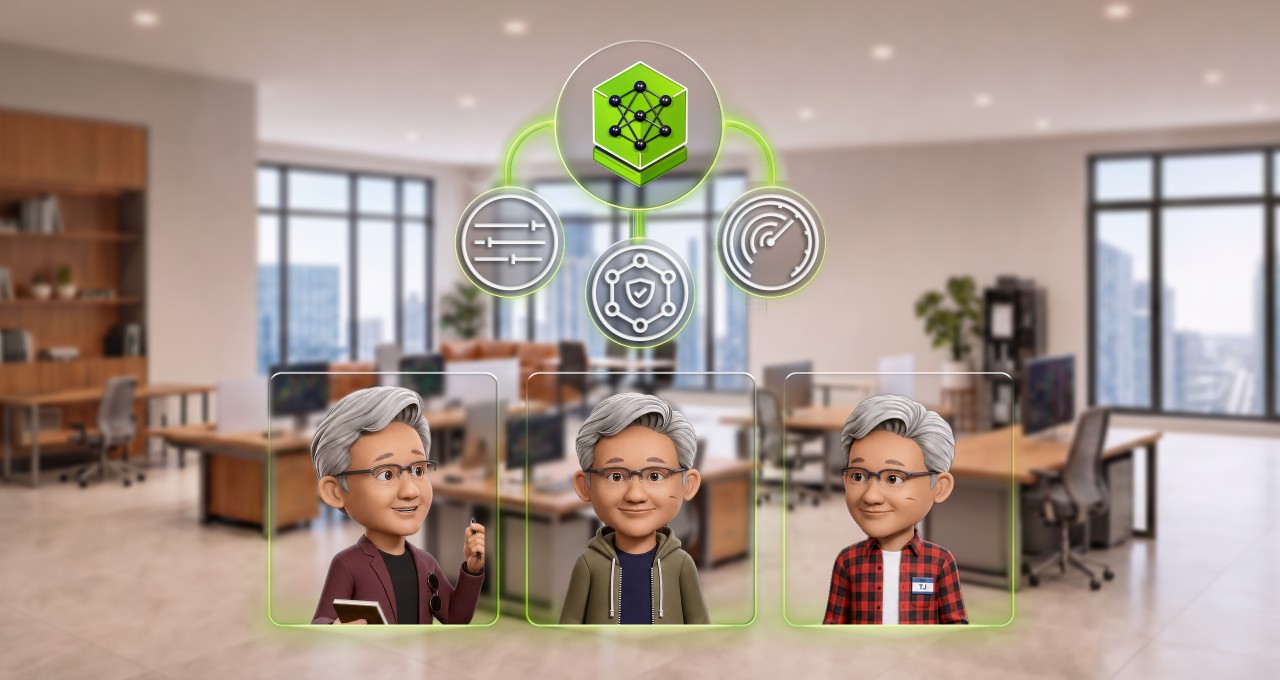
NVIDIA introduced the Nemotron Labs blog series, focusing on how open models, datasets, and training techniques help businesses build specialized AI systems on NVIDIA platforms. The series aims to provide practical guidance for deploying transparent research copilots and scalable AI agents in production.
NVIDIA introduced the Nemotron Labs blog series, focusing on how open models, datasets, and training techniques help businesses build specialized AI systems on NVIDIA platforms. The series aims to provide practical guidance for deploying transparent research copilots and scalable AI agents in production.
0 engagement1 sourcerssTue, Jul 14, 2026, 04:45 PM
Releases·Tool Release
NVIDIA Cosmos Adds Data Factory Blueprints, Framework Agent Skills and Cosmos 3 Updates for World Models
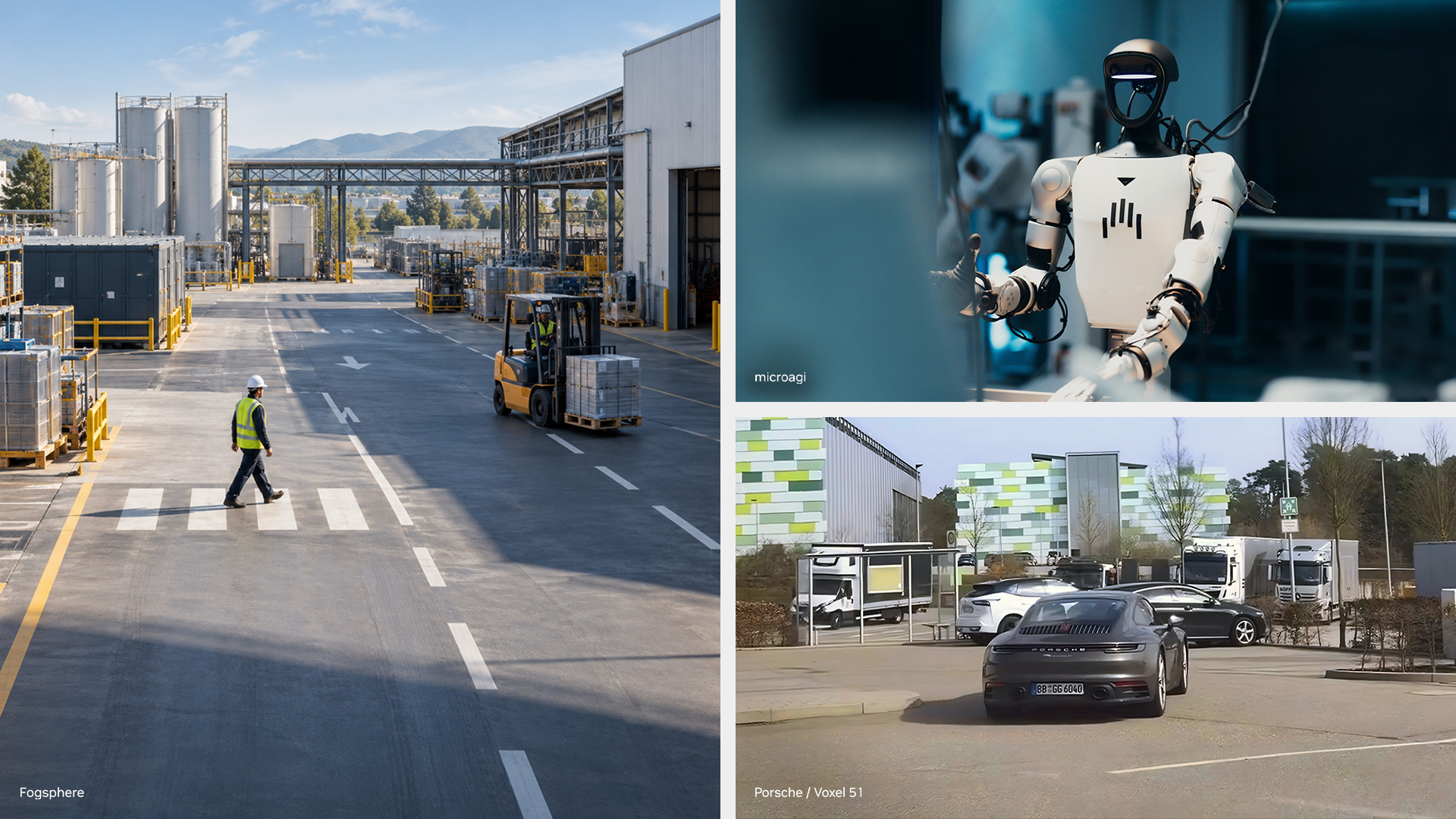
NVIDIA expanded its Cosmos world model platform with new training tools, Cosmos Data Factory blueprints, simulation checkpoints, and Cosmos 3 updates for physical AI developers. The announcement, timed around GTC Berlin, includes adoption examples from Porsche, ANYbotics, Ultralytics, and ADNOC.
NVIDIA expanded its Cosmos world model platform with new training tools, Cosmos Data Factory blueprints, simulation checkpoints, and Cosmos 3 updates for physical AI developers. The announcement, timed around GTC Berlin, includes adoption examples from Porsche, ANYbotics, Ultralytics, and ADNOC.
0 engagement1 sourcerssThu, Oct 22, 2026, 05:00 AM