Releases·Tool Release
Microsoft open-sources ML weather model forecasting two to six weeks out, published in Nature
Microsoft researchers published a machine learning tool in Nature that extends reliable weather forecasting to two-to-six weeks ahead, a range where physics-based and existing AI models typically lose accuracy. The company describes it as a cost-effective approach and has released the tool as open-source software. Practitioners in agriculture and emergency response are cited as beneficiaries of longer-horizon forecasts.
0 engagement1 sourceWed, Oct 14, 2026, 04:05 PM
AI Overview
- Microsoft researchers published a machine learning method in Nature for cost-effective weather forecasts two to six weeks in advance, beyond typical two-week reliability limits
- The tool is released as open-source software on GitHub, targeting farmers and emergency responders planning ahead
- Microsoft joins Google and Nvidia in developing AI weather forecasting tools
Related

Releases·Model Releasefeatured
Google announces WeatherNext 3 AI weather model, rolling into Search, Maps, and Gemini
Google DeepMind and Google Research announced WeatherNext 3, their most advanced global weather AI model, which learns directly from real-time weather observations to deliver timely, localized forecasts. Independent live evaluations by Brightband rank it the most accurate global weather model to date. It now powers weather forecasts in Google Search, Maps, and Gemini, with real-time data available via BigQuery, Earth Engine, and Google Cloud Storage.
Google DeepMind and Google Research announced WeatherNext 3, their most advanced global weather AI model, which learns directly from real-time weather observations to deliver timely, localized forecasts. Independent live evaluations by Brightband rank it the most accurate global weather model to date. It now powers weather forecasts in Google Search, Maps, and Gemini, with real-time data available via BigQuery, Earth Engine, and Google Cloud Storage.
8603.7k engagement14 sourcesrss, reddit, hackernews +1Thu, Sep 3, 2026, 03:00 PM

Developments·Paper
Weatherwatch: AI model beats standard methods at predicting cyclones
A paper in Nature reports Google's WeatherNext AI model outperforms existing systems at cyclone forecasting. It delivers a three-day forecast as accurate as prior two-day predictions, effectively adding a day of warning for hurricanes and typhoons. The result matters for disaster preparedness and operational forecasting.
A paper in Nature reports Google's WeatherNext AI model outperforms existing systems at cyclone forecasting. It delivers a three-day forecast as accurate as prior two-day predictions, effectively adding a day of warning for hurricanes and typhoons. The result matters for disaster preparedness and operational forecasting.
0 engagement1 sourcerssThu, Sep 10, 2026, 05:00 AM
Developments·Paper
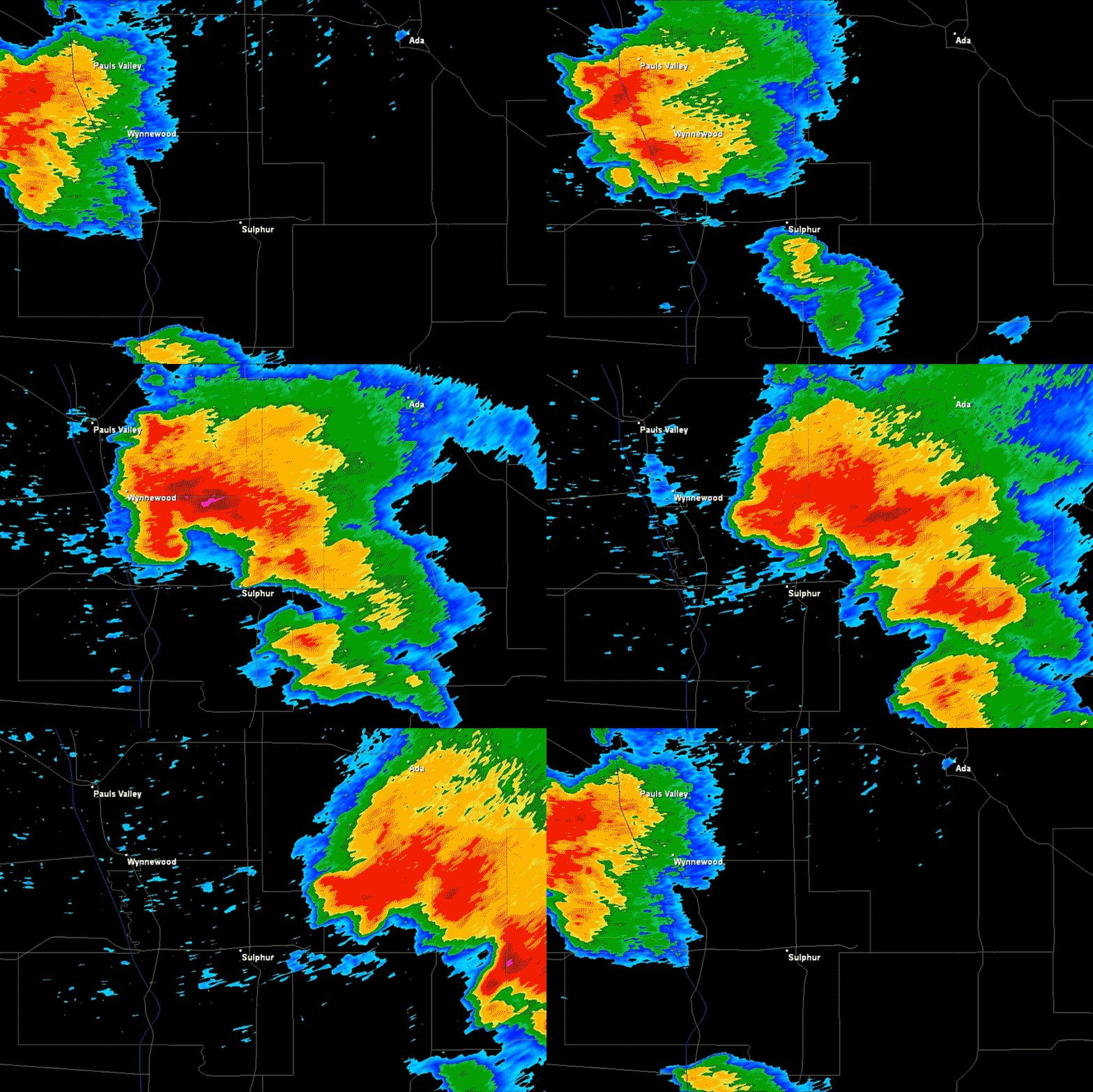
MIT-led team's AI error-correction layer doubles two-to-six-week weather forecast accuracy, first to beat climatology
A team including MIT researchers published a Nature paper describing a machine-learning postprocessing layer that corrects errors in existing forecasting models for the 2-6 week subseasonal range. Applied to ECMWF's gold-standard model, it doubled predictive accuracy, placed first in ECMWF's seasonal forecasting competition, and for the first time beat climatological averages beyond two weeks. The technique is open source, model-agnostic, and improves extreme-weather prediction, with Kenya's meteorological office already exploring use for monsoon forecasting.
A team including MIT researchers published a Nature paper describing a machine-learning postprocessing layer that corrects errors in existing forecasting models for the 2-6 week subseasonal range. Applied to ECMWF's gold-standard model, it doubled predictive accuracy, placed first in ECMWF's seasonal forecasting competition, and for the first time beat climatological averages beyond two weeks. The technique is open source, model-agnostic, and improves extreme-weather prediction, with Kenya's meteorological office already exploring use for monsoon forecasting.
0 engagement1 sourcerssWed, Oct 14, 2026, 03:00 PM
Releases·Model Releasefeatured
Google DeepMind open-sources WeatherNext AI weather forecasting model
Google DeepMind announced it is open-sourcing WeatherNext, its AI weather forecasting model, by releasing the code and model weights on GitHub. The model forecasts cyclones up to 15 days in advance and predicts track, intensity, size, structure, and formation, outperforming or matching many traditional systems on key benchmarks. The release aims to support researchers, meteorological agencies, and the broader scientific community.
Google DeepMind announced it is open-sourcing WeatherNext, its AI weather forecasting model, by releasing the code and model weights on GitHub. The model forecasts cyclones up to 15 days in advance and predicts track, intensity, size, structure, and formation, outperforming or matching many traditional systems on key benchmarks. The release aims to support researchers, meteorological agencies, and the broader scientific community.
301 engagement1 sourceredditThu, Aug 6, 2026, 04:05 PM
Developments·Paper
Google's WeatherNext 3 matches physics-model resolution, hourly forecasts from raw satellite and station observations
A paper introduces WeatherNext 3, an AI weather model that trains and initializes directly on raw observations rather than analysis data. It claims a new state-of-the-art in probabilistic medium-range forecast skill while raising spatial and temporal resolution closer to physics-based models.
A paper introduces WeatherNext 3, an AI weather model that trains and initializes directly on raw observations rather than analysis data. It claims a new state-of-the-art in probabilistic medium-range forecast skill while raising spatial and temporal resolution closer to physics-based models.
0 engagement1 sourcearxivThu, Sep 3, 2026, 09:30 AM