Releases·Hardware Release
Meta ditches the camera on its newest smart glasses
At Meta Connect 2026, Meta is launching Ray-Ban Meta Audio Glasses: smart glasses with Meta AI but no camera, positioned against growing public backlash over wearable surveillance tech. The timing lets users record nothing of others while still getting AI assistance, though Meta says the audio-only design was years in the making rather than a reaction.
0 engagement1 sourceWed, Sep 23, 2026, 11:37 PM
AI Overview
- Meta launched Ray-Ban Meta Audio Glasses at Meta Connect 2026: camera-free smart glasses infused with Meta AI, a design Meta calls coincidental timing
- Public backlash against wearable surveillance tech - including smart glasses, smartwatches, and AI pendants - is gaining steam outside Meta Connect
Related
Products·launched
Ray-Ban Meta Audio: camera-free AI glasses with voice assistant and translation
Meta's first camera-free smart glasses, made with EssilorLuxottica, announced at Connect 2026. They run Meta's Muse AI assistant for speech translation, calls, music, and voice queries. The audio-only design addresses privacy criticism of camera-equipped AI glasses.
Meta's first camera-free smart glasses, made with EssilorLuxottica, announced at Connect 2026. They run Meta's Muse AI assistant for speech translation, calls, music, and voice queries. The audio-only design addresses privacy criticism of camera-equipped AI glasses.
0 engagement1 sourcerssWed, Sep 23, 2026, 11:39 PM
News·Societyfeatured
Kylie Jenner promotes Meta Ray-Ban smart glasses, sparking privacy backlash
Kylie Jenner is being paid to promote Meta Ray-Ban sunglasses, which contain cameras, microphones, and AI features. Critics argue this normalizes constant surveillance and raises privacy issues, especially for women and Gen Z. The controversy highlights the unresolved social acceptability of always-recording wearables.
Kylie Jenner is being paid to promote Meta Ray-Ban sunglasses, which contain cameras, microphones, and AI features. Critics argue this normalizes constant surveillance and raises privacy issues, especially for women and Gen Z. The controversy highlights the unresolved social acceptability of always-recording wearables.
103387 engagement4 sourcesreddit, rssWed, Jul 15, 2026, 06:10 AM
News·Company News
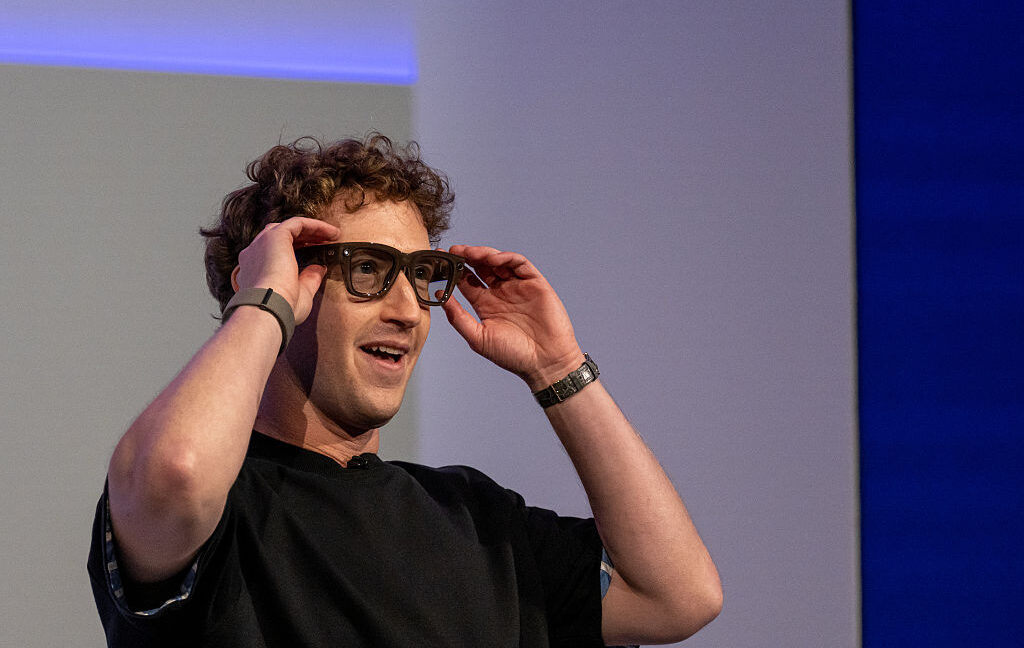
Meta closes LED-covering loophole on AI glasses after backlash over nonconsensual recording
Meta is rolling out a fix that closes a loophole letting smart-glasses users cover the LED that alerts bystanders to active recording. The Verge reported the change on Friday, following backlash and internet flooding with nonconsensual recordings made with the glasses. The move addresses privacy criticism that detection apps alone cannot solve.
Meta is rolling out a fix that closes a loophole letting smart-glasses users cover the LED that alerts bystanders to active recording. The Verge reported the change on Friday, following backlash and internet flooding with nonconsensual recordings made with the glasses. The move addresses privacy criticism that detection apps alone cannot solve.
0 engagement1 sourcerssFri, Aug 28, 2026, 03:42 PM
News·Policy
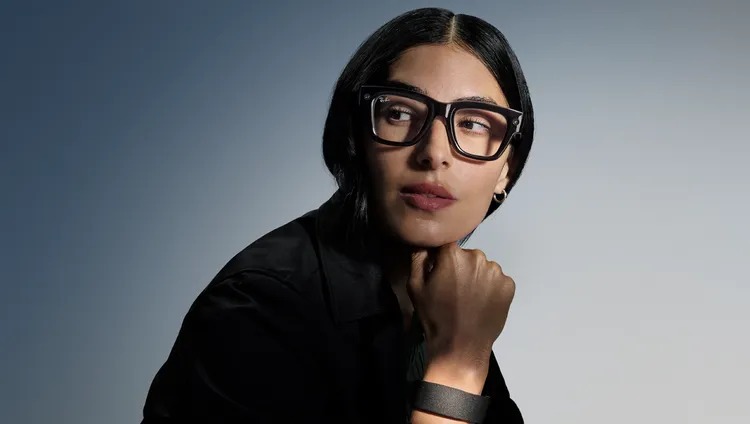
Norway proposes first national temporary ban on AI glasses in parks, beaches, schools
Norway's center-left government proposed the first major national crackdown on AI glasses: a temporary ban on their use in public places such as parks, beaches, schools, and kindergartens. Digitalization minister Torgeir Micaelsen cited privacy concerns over people being photographed, filmed, or recorded without their knowledge. An expert group will draft proposals for permanent national regulation.
Norway's center-left government proposed the first major national crackdown on AI glasses: a temporary ban on their use in public places such as parks, beaches, schools, and kindergartens. Digitalization minister Torgeir Micaelsen cited privacy concerns over people being photographed, filmed, or recorded without their knowledge. An expert group will draft proposals for permanent national regulation.
20 engagement2 sourcesrss, redditMon, Oct 5, 2026, 01:39 PM

Releases·Model Releasefeatured
Meta Releases Muse Spark 1.3, matching Fable 5
Meta released Muse Spark 1.3 on 2026-09-02, targeting improved performance on agentic and coding tasks and real-world usability. The model rolled out in Muse Code and the Meta Model API, with the Contributor variant available on OpenCode Go and a max-reasoning mode planned after safety testing. A Reddit post reports pricing of $0.10 input / $0.20 output per million tokens, matching Fable 5.
Meta released Muse Spark 1.3 on 2026-09-02, targeting improved performance on agentic and coding tasks and real-world usability. The model rolled out in Muse Code and the Meta Model API, with the Contributor variant available on OpenCode Go and a max-reasoning mode planned after safety testing. A Reddit post reports pricing of $0.10 input / $0.20 output per million tokens, matching Fable 5.
Updated Fri, Sep 4, 2026, 06:20 PM — Muse Spark 1.3 is now free on OpenCode as of 2026-09-03.
1509.3k engagement7 sourcesreddit, xWed, Sep 2, 2026, 07:36 PM