Releases·Tool Release
Inside Cohere Model Vault: Building a verifiable confidential AI inference
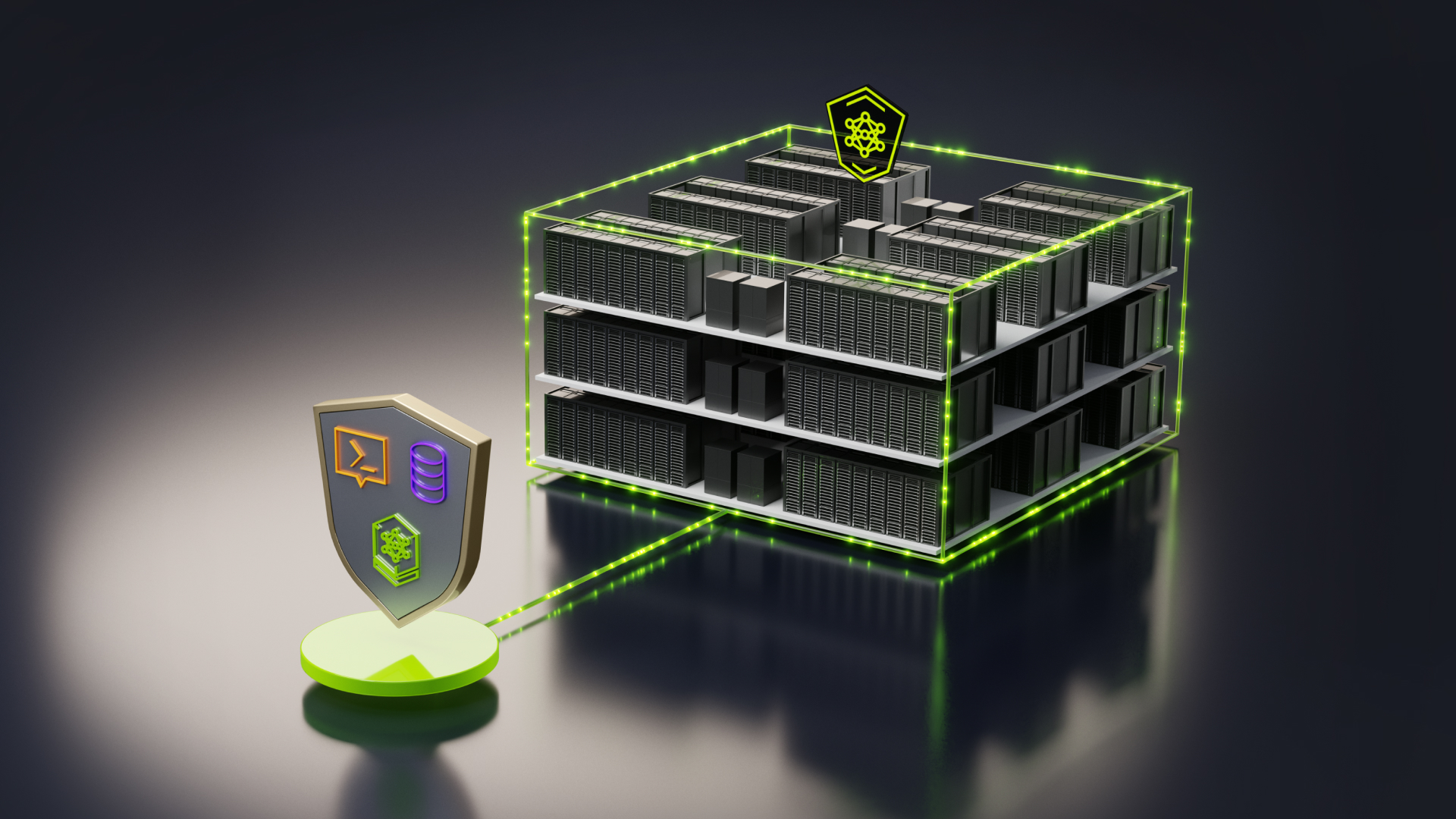
Cohere announced the public beta of Confidential Computing on Cohere Model Vault, bringing hardware-backed, independently verifiable protection to managed enterprise AI inference. Built with NVIDIA and Microsoft Azure, it protects data in use across confidential CPU and GPU execution and encrypts request payloads end-to-end. The goal is letting enterprises run sensitive workloads on managed AI without the infrastructure operator accessing plaintext data.
0 engagement2 sourcesThu, Oct 22, 2026, 12:00 AM
AI Overview
- Cohere launches Confidential Computing on Model Vault in public beta on NVIDIA H100 GPUs and Microsoft Azure, combining confidential VMs, OHTTP-encrypted requests, and customer-verified remote attestation.
- Model Vault uses Oblivious HTTP to encrypt payloads to the attested environment's public key, so intermediaries route traffic without accessing plaintext requests.
- Clients verify signed attestation evidence against policy before releasing data, refusing to send if GPU confidential mode or software measurements mismatch.
- Protection does not cover side-channel attacks, denial-of-service, application vulnerabilities, or metadata like request timing, API credentials, and model identifiers.
- Model Vault builds on open-source Kata Containers and Confidential Containers; it is not homomorphic encryption or a data-residency mechanism.
- Cohere CTO Phil Blunsom says hardware attestation gives cryptographic proof workloads run securely, protected even from Cohere itself.
Related
Releases·Hardware Release
NVIDIA Expands Confidential Computing with Confidential Bare Metal for Frontier Model Builders Across Clouds
NVIDIA announced Confidential Bare Metal, a new deployment option under NVIDIA Confidential Computing that lets frontier model builders run sensitive workloads on dedicated third-party infrastructure while retaining control of models and data. Google Cloud and Cohere are early adopters, and support now extends to Grace Blackwell NVL72 and Rubin systems.
NVIDIA announced Confidential Bare Metal, a new deployment option under NVIDIA Confidential Computing that lets frontier model builders run sensitive workloads on dedicated third-party infrastructure while retaining control of models and data. Google Cloud and Cohere are early adopters, and support now extends to Grace Blackwell NVL72 and Rubin systems.
0 engagement1 sourcerssWed, Oct 21, 2026, 10:30 AM
Releases·Tool Release
Cohere launches Model Vault and Model Vault Encrypted for running Cohere and third-party open models with zero data retention
Cohere launched third-party open models inside Model Vault and Model Vault Encrypted, letting enterprises run Cohere models plus open models like DeepSeek V4.1 Flash, GLM 5.3 Flash, GPT-OSS, and Gemma on a managed, encrypted inference platform. Model Vault Encrypted keeps data encrypted in use via confidential computing, so neither Cohere nor cloud providers can see prompts or outputs. The launch targets regulated organizations in banking, healthcare, and government that cannot send sensitive data to shared APIs.
Cohere launched third-party open models inside Model Vault and Model Vault Encrypted, letting enterprises run Cohere models plus open models like DeepSeek V4.1 Flash, GLM 5.3 Flash, GPT-OSS, and Gemma on a managed, encrypted inference platform. Model Vault Encrypted keeps data encrypted in use via confidential computing, so neither Cohere nor cloud providers can see prompts or outputs. The launch targets regulated organizations in banking, healthcare, and government that cannot send sensitive data to shared APIs.
0 engagement1 sourcerssTue, Nov 3, 2026, 12:00 AM
News·Company News
Enabling Private High-Performance Production AI Inference with NVIDIA Confidential Computing
NVIDIA published a technical post on running production LLM inference inside confidential computing environments, targeting personal, enterprise, and regulated settings where inference handles sensitive data or proprietary model context. The approach uses memory-encrypted confidential virtual machines (CVMs) and confidential GPUs to process workloads in a trusted environment. It gives practitioners a pathway to deploy inference on sensitive data without exposing plaintext memory.
NVIDIA published a technical post on running production LLM inference inside confidential computing environments, targeting personal, enterprise, and regulated settings where inference handles sensitive data or proprietary model context. The approach uses memory-encrypted confidential virtual machines (CVMs) and confidential GPUs to process workloads in a trusted environment. It gives practitioners a pathway to deploy inference on sensitive data without exposing plaintext memory.
0 engagement1 sourcerssTue, Sep 22, 2026, 05:27 PM
Social·Community
What are the best practices to implement confidential computing in production?
A practitioner building enterprise POCs and production systems asks the community for confidential computing best practices that keep data private even from the GPU provider. They propose three techniques: running a small model inside a TEE to shield user documents while delegating to a larger model, signed handshakes between CPU and user machines before granting SSH access, and storing deployment artifacts as compiled binaries so SSH attackers cannot inspect models or versions.
A practitioner building enterprise POCs and production systems asks the community for confidential computing best practices that keep data private even from the GPU provider. They propose three techniques: running a small model inside a TEE to shield user documents while delegating to a larger model, signed handshakes between CPU and user machines before granting SSH access, and storing deployment artifacts as compiled binaries so SSH attackers cannot inspect models or versions.
3 engagement1 sourceredditSat, Sep 26, 2026, 01:58 AM
Social·Community
Reddit user seeks firsthand experience running attested confidential GPU inference for video models on Chutes, VoltageGPU, GCP
A Reddit user building a private AI video inference project asks whether anyone has actually deployed workloads on attested confidential GPUs, comparing Chutes, VoltageGPU, and Google Cloud options. The post highlights practical gaps in confidential-computing offerings: unclear client-side attestation verification, custom workload attestation limits, and cost/cold-start tradeoffs. It reflects practitioner demand for verifiable privacy beyond provider promises.
A Reddit user building a private AI video inference project asks whether anyone has actually deployed workloads on attested confidential GPUs, comparing Chutes, VoltageGPU, and Google Cloud options. The post highlights practical gaps in confidential-computing offerings: unclear client-side attestation verification, custom workload attestation limits, and cost/cold-start tradeoffs. It reflects practitioner demand for verifiable privacy beyond provider promises.
2 engagement1 sourceredditMon, Oct 12, 2026, 04:55 PM